

Active into spring: how electrotherapy can support muscles and joints

Ein älterer Mann joggt in einem Wald
With the first warm days of spring, many people feel the urge to exercise. Walks, bike rides or gardening – after the quiet winter months, the body is more actively challenged again. However, especially when muscles and joints have been under less strain for a long time, tension, sore muscles or complaints in the musculoskeletal system can occur. This is where electrotherapy can provide useful support.

Active into spring – with support for muscles and nerves

Electrotherapy uses targeted electrical impulses that are transmitted to the skin via electrodes. These impulses have a direct effect on nerves, muscles and the surrounding tissue. Depending on the application, they can help to relieve pain, promote blood circulation or stimulate specific muscles.

Especially when you are more active again after the winter, such effects can help the body to adapt to the increased movement. Tense muscles can be loosened, while weakened muscle groups are gently activated.

Electrotherapy for exercise and rehabilitation

In physiotherapy, electrotherapy is often used to treat musculoskeletal complaints or to support rehabilitation after injuries. The electrical impulses can, for example:

  • Reduce pain by influencing pain signals

  • Trigger muscle contractions and thus strengthen the muscles

  • promote blood circulation and thus support healing processes

  • Release tension and regulate muscle tension

Electrotherapy can be particularly effective in combination with exercise therapy or physiotherapy.

Support at home too

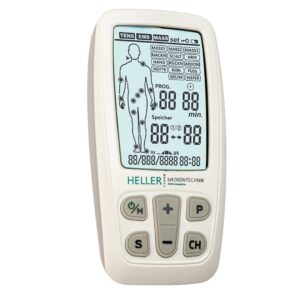
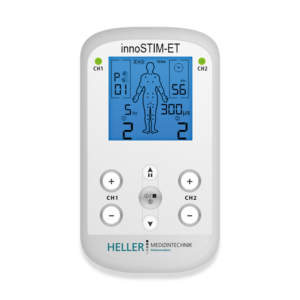
In addition to use in the practice, there are now also compact devices for self-application at home, such as TENS or EMS devices. These enable targeted electrical nerve or muscle stimulation and can be integrated into everyday life under the guidance of medical professionals.

Especially in spring, when many people spend more time outdoors again and become more physically active, supportive treatment can help to prevent complaints or alleviate existing muscle problems.

Conclusion

Spring is the perfect time to get moving again. Electrotherapy can be a valuable addition to provide optimal support for muscles and joints – both in physiotherapy treatment and for use at home. It helps to relieve pain, activate the muscles and prepare the body for an active start to the warm season.

Find out more about pain therapy here.

More news

Ein Mann geht an einem Rollator, weil er eine Fußheberschwäche hat.

Foot drop after stroke: What treatment options are there – and when is FES useful?

A stroke often changes life from one moment to the next. In addition to speech or memory problems, weakness in lifting the foot (medical term: peroneal nerve palsy) is one of the most common motor impairments. Those affected cannot lift the forefoot sufficiently – the gait becomes unsteady and the risk of falling increases significantly.
But what treatment options are there? And when is functional electrical stimulation (FES) a sensible solution?

Read more "
Die Behandlung einer Fußheberschwäche mit dem medizinischen Gerät innoSTEP-WL

What are the causes of weak foot dorsiflexion?

Foot drop is a neurological symptom in which the foot can no longer be actively lifted. Medically, it is also referred to as foot drop, peroneal palsy, peroneal paralysis, drop foot or colloquially as “foot drop disease”. All of these terms have the same problem in common: the control of the foot lifter muscles is impaired.
Typical is the altered gait pattern, the so-called stepper gait. Those affected lift their knees and hips excessively when walking in order to prevent the toes from getting caught.

Read more "
Zwei Personen mit Fußheberschwäche gehen spazieren

More safety and stability when walking despite weak foot dorsiflexion

Walking is something that most people take for granted – but if you have weak foot dorsiflexion, every step can become a real challenge. Those affected have difficulty lifting the forefoot during the swing phase. The foot drags on the ground, the gait becomes unsteady and the risk of tripping or falling increases significantly.

Read more "
Ein Ehepaar läuft durch einen Wald, der mit Schnee bedeckt ist.

Relieving pain in the cold season – with exercise, everyday tips and modern TENS therapy

As the days get shorter, freezing temperatures set in and we spend more time indoors, many people start to feel pain again. Especially in winter, those affected complain more often about back, joint or muscle pain. The good news is that with the right combination of exercise, small everyday measures and modern medical technology, aches and pains can be alleviated even in the cold season.

Read more "
Cookie Consent with Real Cookie Banner