How does biofeedback therapy work?
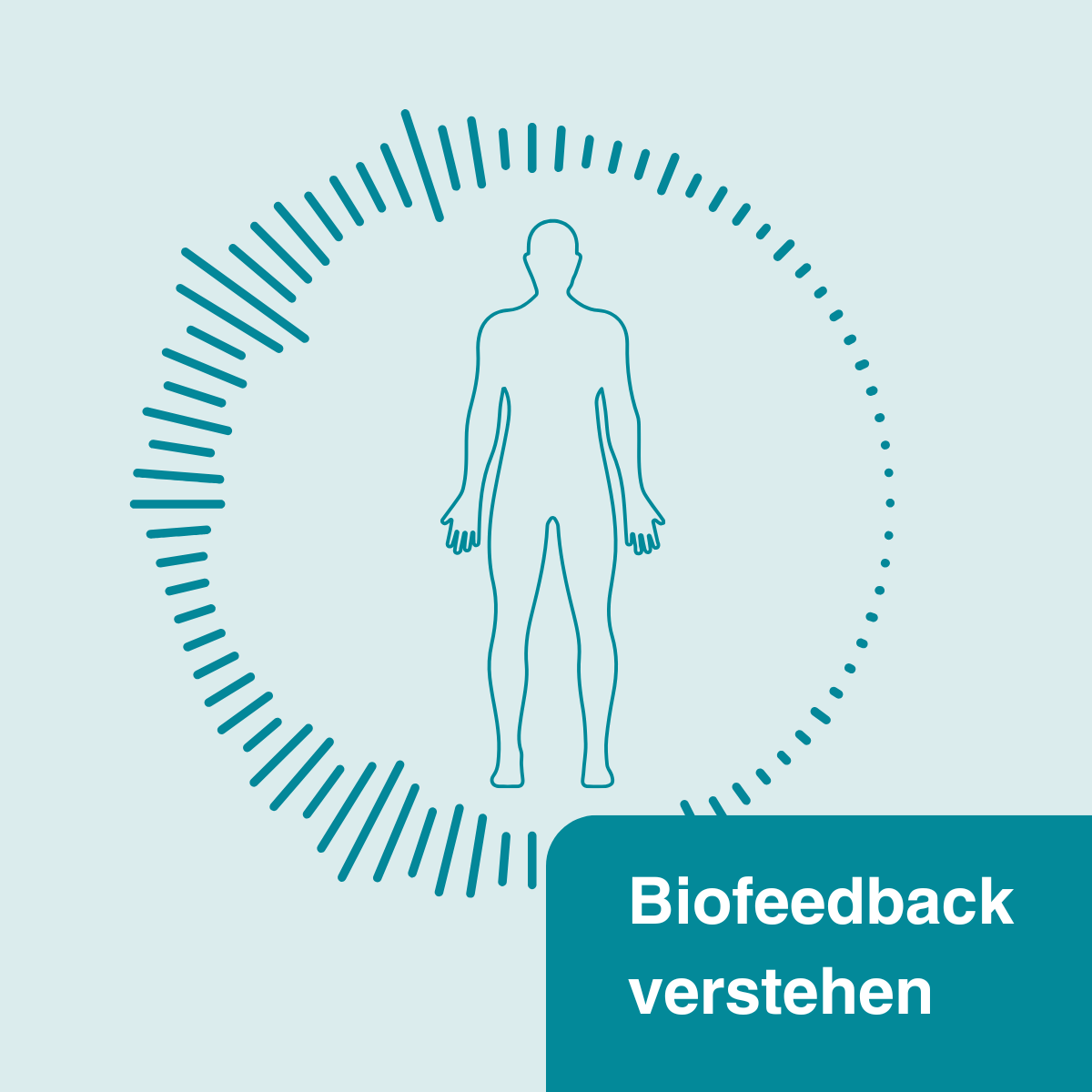
Biofeedback therapy uses special devices that measure physical signals and report them back directly.
Typical processes:
- Sensors measure muscle activity or heart rate, for example
- The data is displayed on a screen or by sound
- You learn to change these values through targeted exercises
The principle behind it is simple but effective:
What becomes visible can also be consciously controlled.
With regular training you can:
- Relax or activate muscles in a targeted manner
- Regulating stress reactions
- sustainably improve physical functions
Biofeedback for incontinence: targeted pelvic floor training
One particularly important area of application is the treatment of incontinence. Millions of people are affected – the cause is often weakened pelvic floor muscles.
Why is the pelvic floor so important?
The pelvic floor muscles perform central tasks:
- Bladder and bowel control
- Stabilization of the internal organs
- Reaction to pressure (e.g. when coughing or laughing)
As these muscles usually work unconsciously, targeted training is difficult for many people.
How does biofeedback help?
Biofeedback makes the activity of the pelvic floor muscles visible. Sensors or probes are used to measure whether the correct muscles are being tensed.
This makes it possible:
- Targeted training of the right muscle groups
- Direct control of the exercises
- Faster learning success
With regular training, the success rate is around 70-80%.
An additional advantage: the visible progress increases motivation considerably.
EMG: The basis for precise muscle training
A central procedure in biofeedback is the EMG (electromyogram). It measures the electrical activity of the muscles.
Advantages of the EMG:
- Objective measurement of muscle activity
- Documentation of progress
- Ensuring that the right muscles are trained
- Optimization of movement sequences
EMG provides valuable findings, particularly in rehabilitation or sports medicine.
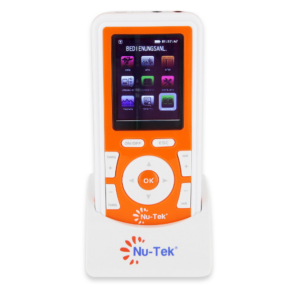
The Nu-Tek Levator Elite is a modern EMG biofeedback device that is used specifically for incontinence therapy and pelvic floor training and offers various training modes for effective results. For more information about the device and its functions, click on the product and go to the details page.
Biofeedback for pain and stress
Biofeedback is also used successfully for chronic pain and stress.
Pain therapy
Studies show:
- Pain can be reduced by 50-60
- Effect is comparable to medication
- but without chemical stress on the body
Important: The effect builds up over several sessions, but is more sustainable.
Stress & mental strain
Biofeedback helps with this:
- Consciously regulate your heart rate
- Reduce muscle tension
- Trigger relaxation reactions in a targeted manner
This makes it particularly valuable for:
- Anxiety disorders
- Burnout
- Sleep problems
Further areas of application for biofeedback therapy
Biofeedback is versatile and is used, among other things, for
- Chronic pain and migraine
- Urinary and fecal incontinence
- Sleep disorders
- Tinnitus
- Irritable bowel syndrome and irritable stomach
- Cardiac arrhythmia
- Depression and anxiety disorders
- Rehabilitation after a stroke
Advantages of biofeedback therapy
Biofeedback offers a number of decisive advantages:
- No medication necessary
- No invasive interventions
- Hardly any side effects
- Sustainable effect through training
- Also suitable for use at home
- Promotes personal responsibility and body awareness
Particularly important:
You learn to actively influence your own health – instead of just treating symptoms.
Are there any restrictions?
Biofeedback should not be used in certain cases, for example:
- acute inflammations
- Diagnostics not yet completed
- certain neurological or mental illnesses
It is therefore advisable to consult a doctor before starting therapy.
Conclusion: More control, more quality of life
Biofeedback is a modern, scientifically based method that helps you to better understand and actively control your body.
Whether for incontinence, stress or pain:
The direct feedback makes progress visible and motivates you to keep at it.
Tip: Even small changes can have a big impact on your body – biofeedback shows you exactly how.