Biofeedback explained simply: how to better understand and control your body

Biofeedback Therapie
Biofeedback makes invisible bodily processes visible – and this is precisely where its strength lies. Processes such as muscle tension, heartbeat and breathing normally take place unconsciously. With biofeedback, you learn to consciously perceive and actively influence these processes. The goal: more control over your own body, fewer complaints and a significantly improved quality of life.

How does biofeedback therapy work?

Biofeedback therapy uses special devices that measure physical signals and report them back directly.

Typical processes:

  • Sensors measure muscle activity or heart rate, for example
  • The data is displayed on a screen or by sound
  • You learn to change these values through targeted exercises

The principle behind it is simple but effective:
What becomes visible can also be consciously controlled.

With regular training you can:

  • Relax or activate muscles in a targeted manner
  • Regulating stress reactions
  • sustainably improve physical functions

Biofeedback for incontinence: targeted pelvic floor training

One particularly important area of application is the treatment of incontinence. Millions of people are affected – the cause is often weakened pelvic floor muscles.

Why is the pelvic floor so important?

The pelvic floor muscles perform central tasks:

  • Bladder and bowel control
  • Stabilization of the internal organs
  • Reaction to pressure (e.g. when coughing or laughing)

As these muscles usually work unconsciously, targeted training is difficult for many people.

How does biofeedback help?

Biofeedback makes the activity of the pelvic floor muscles visible. Sensors or probes are used to measure whether the correct muscles are being tensed.

This makes it possible:

  • Targeted training of the right muscle groups
  • Direct control of the exercises
  • Faster learning success

With regular training, the success rate is around 70-80%.

An additional advantage: the visible progress increases motivation considerably.

EMG: The basis for precise muscle training

A central procedure in biofeedback is the EMG (electromyogram). It measures the electrical activity of the muscles.

Advantages of the EMG:

  • Objective measurement of muscle activity
  • Documentation of progress
  • Ensuring that the right muscles are trained
  • Optimization of movement sequences

EMG provides valuable findings, particularly in rehabilitation or sports medicine.

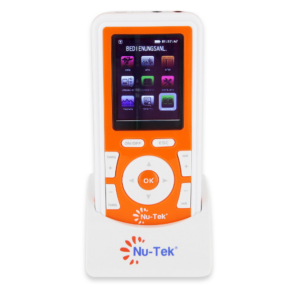
The Nu-Tek Levator Elite is a modern EMG biofeedback device that is used specifically for incontinence therapy and pelvic floor training and offers various training modes for effective results. For more information about the device and its functions, click on the product and go to the details page.

Biofeedback for pain and stress

Biofeedback is also used successfully for chronic pain and stress.

Pain therapy

Studies show:

  • Pain can be reduced by 50-60
  • Effect is comparable to medication
  • but without chemical stress on the body

Important: The effect builds up over several sessions, but is more sustainable.

Stress & mental strain

Biofeedback helps with this:

  • Consciously regulate your heart rate
  • Reduce muscle tension
  • Trigger relaxation reactions in a targeted manner

This makes it particularly valuable for:

  • Anxiety disorders
  • Burnout
  • Sleep problems

Further areas of application for biofeedback therapy

Biofeedback is versatile and is used, among other things, for

  • Chronic pain and migraine
  • Urinary and fecal incontinence
  • Sleep disorders
  • Tinnitus
  • Irritable bowel syndrome and irritable stomach
  • Cardiac arrhythmia
  • Depression and anxiety disorders
  • Rehabilitation after a stroke

Advantages of biofeedback therapy

Biofeedback offers a number of decisive advantages:

  • No medication necessary
  • No invasive interventions
  • Hardly any side effects
  • Sustainable effect through training
  • Also suitable for use at home
  • Promotes personal responsibility and body awareness

Particularly important:
You learn to actively influence your own health – instead of just treating symptoms.

Are there any restrictions?

Biofeedback should not be used in certain cases, for example:

  • acute inflammations
  • Diagnostics not yet completed
  • certain neurological or mental illnesses

It is therefore advisable to consult a doctor before starting therapy.

Conclusion: More control, more quality of life

Biofeedback is a modern, scientifically based method that helps you to better understand and actively control your body.

Whether for incontinence, stress or pain:
The direct feedback makes progress visible and motivates you to keep at it.

Tip: Even small changes can have a big impact on your body – biofeedback shows you exactly how.

More news

Eine Frau mit Fußheberschwäche trägt die Manschette innoSTEP-WL als Hilfsmittel

Foot drop: help with innoSTEP-WL

Foot drop can have a significant impact on everyday life – especially in situations that are actually taken for granted. This includes climbing stairs: What is automatic for many people quickly becomes a challenge for those affected.

Read more "
Heller Medizintechnik wünscht Frohe Ostern

HELLER MEDIZINTECHNIK wishes you a Happy Easter!

The Easter holidays not only mark the start of a short break from everyday life, but also a time of new beginnings. Spring brings longer days, more light and new energy – ideal conditions for making a conscious effort to look after your health again.
Now is a particularly good time to integrate exercise into your daily routine, enjoy the fresh air and recharge your batteries. It is often small changes that make a big difference in the long term.
HELLER MEDIZINTECHNIK wishes you a relaxing Easter holiday, new motivation and a healthy start to the sunny season.

Read more "
Ein älterer Mann joggt in einem Wald

Active into spring: how electrotherapy can support muscles and joints

With the first warm days of spring, many people feel the urge to exercise. Walks, bike rides or gardening – after the quiet winter months, the body is more actively challenged again. However, especially when muscles and joints have been under less strain for a long time, tension, sore muscles or complaints in the musculoskeletal system can occur. This is where electrotherapy can provide useful support.

Read more "
Ein Mann geht an einem Rollator, weil er eine Fußheberschwäche hat.

Foot drop after stroke: What treatment options are there – and when is FES useful?

A stroke often changes life from one moment to the next. In addition to speech or memory problems, weakness in lifting the foot (medical term: peroneal nerve palsy) is one of the most common motor impairments. Those affected cannot lift the forefoot sufficiently – the gait becomes unsteady and the risk of falling increases significantly.
But what treatment options are there? And when is functional electrical stimulation (FES) a sensible solution?

Read more "
Cookie Consent with Real Cookie Banner