
Fit through the cold month of February: tips for body, mind and little moments of well-being

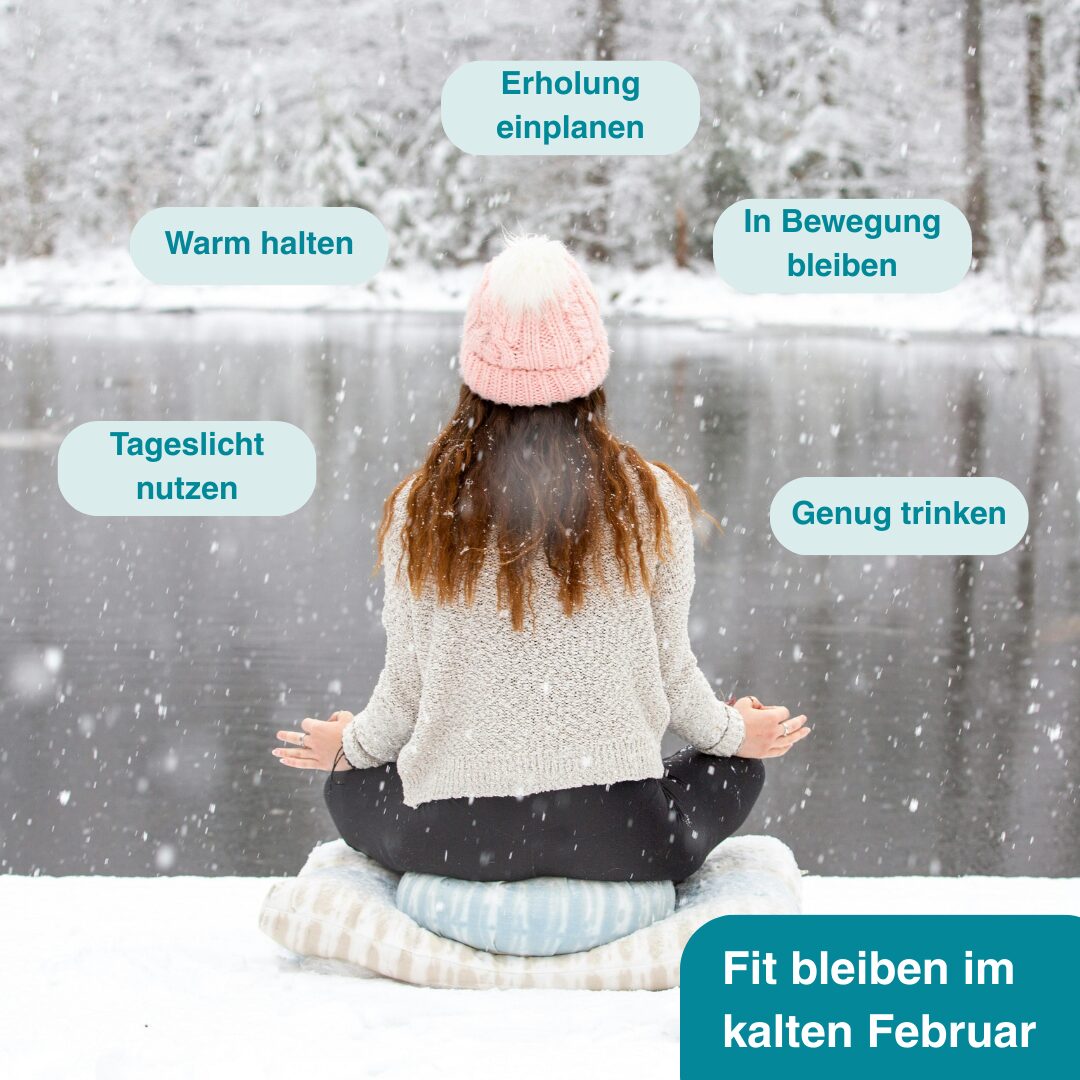
Eine Frau sitzt im Winter an einem gefrorenen See und meditiert.
February is often the coldest and toughest month of the year. The days are short, it’s frosty outside and many of us feel the winter doldrums. It’s worth paying conscious attention to your body and mind right now – small routines can have a big impact.

1. stay warm – inside and out

Cold costs energy. Several layers of clothing, warm drinks and cozy retreats help to increase your well-being. Those who stay warm are not only physically fitter, but also mentally more alert and resilient.

2. integrate exercise into everyday life

Even short bursts of exercise can work wonders. A walk during your lunch break, taking the stairs instead of the elevator or gentle stretching exercises at home get your circulation and mood going. Exercise also helps to keep muscles active – especially after long winter breaks.

3. do not forget fluids & nutrition

We often drink too little in winter. Water, warm teas or broths support the metabolism and keep the body efficient. Vitamin-rich, seasonal foods that boost energy and the immune system go well with this.

4. consciously use light & short breaks

Daylight is a natural mood booster. Just a few minutes at the window or a short walk can help to overcome the winter slump. Short breaks in between also work wonders – especially for concentration at work.

5. plan for relaxation & regeneration

Especially in February, rest is not a minor matter, but essential. Sufficient sleep, relaxing rituals in the evening and little moments for yourself help to recharge body and mind.

6. for all those who want to do something good for themselves

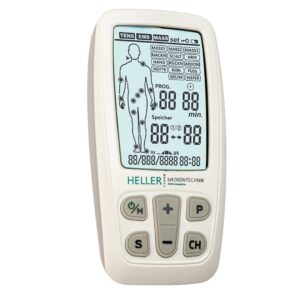
If you also want to do something for muscle relaxation and well-being, you can use our innoSTIM-TE TENS/EMS combination device with massage function. It supports muscle building, relieves tension and provides little moments of well-being – ideal for everyday winter life. Currently even available in the winter SALE!
Learn more

More news

Ein älterer Mann joggt in einem Wald

Active into spring: how electrotherapy can support muscles and joints

With the first warm days of spring, many people feel the urge to exercise. Walks, bike rides or gardening – after the quiet winter months, the body is more actively challenged again. However, especially when muscles and joints have been under less strain for a long time, tension, sore muscles or complaints in the musculoskeletal system can occur. This is where electrotherapy can provide useful support.

Read more "
Ein Mann geht an einem Rollator, weil er eine Fußheberschwäche hat.

Foot drop after stroke: What treatment options are there – and when is FES useful?

A stroke often changes life from one moment to the next. In addition to speech or memory problems, weakness in lifting the foot (medical term: peroneal nerve palsy) is one of the most common motor impairments. Those affected cannot lift the forefoot sufficiently – the gait becomes unsteady and the risk of falling increases significantly.
But what treatment options are there? And when is functional electrical stimulation (FES) a sensible solution?

Read more "
Die Behandlung einer Fußheberschwäche mit dem medizinischen Gerät innoSTEP-WL

What are the causes of weak foot dorsiflexion?

Foot drop is a neurological symptom in which the foot can no longer be actively lifted. Medically, it is also referred to as foot drop, peroneal palsy, peroneal paralysis, drop foot or colloquially as “foot drop disease”. All of these terms have the same problem in common: the control of the foot lifter muscles is impaired.
Typical is the altered gait pattern, the so-called stepper gait. Those affected lift their knees and hips excessively when walking in order to prevent the toes from getting caught.

Read more "
Zwei Personen mit Fußheberschwäche gehen spazieren

More safety and stability when walking despite weak foot dorsiflexion

Walking is something that most people take for granted – but if you have weak foot dorsiflexion, every step can become a real challenge. Those affected have difficulty lifting the forefoot during the swing phase. The foot drags on the ground, the gait becomes unsteady and the risk of tripping or falling increases significantly.

Read more "
Cookie Consent with Real Cookie Banner