What are the causes of weak foot dorsiflexion?

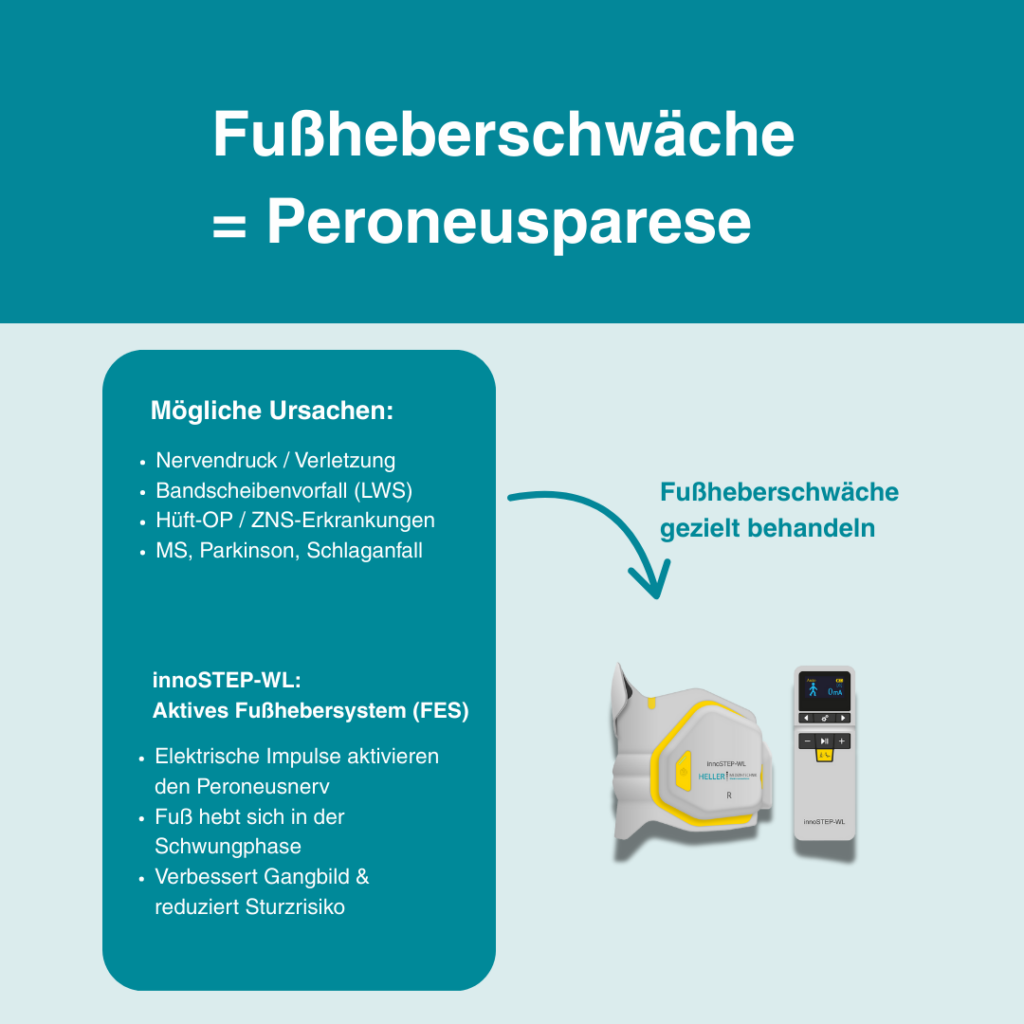
Die Behandlung einer Fußheberschwäche mit dem medizinischen Gerät innoSTEP-WL
Foot drop is a neurological symptom in which the foot can no longer be actively lifted. Medically, it is also referred to as foot drop, peroneal palsy, peroneal paralysis, drop foot or colloquially as “foot drop disease”. All of these terms have the same problem in common: the control of the foot lifter muscles is impaired. Typical is the altered gait pattern, the so-called stepper gait. Those affected lift their knees and hips excessively when walking in order to prevent the toes from getting caught.

Causes of weak foot dorsiflexion

Foot drop is caused by damage to the nervous system. Both central and peripheral structures can be affected:

  • Central nervous system (1st motor neuron): Brain or spinal cord

  • Peripheral nervous system (2nd motor neuron): Nerve course from the spinal cord to the musculature

The term peroneal nerve palsy is often used for a peripheral cause. In this case, the peroneal nerve (fibular nerve), which supplies the foot lifter muscles, is damaged. This form usually leads to flaccid paralysis of the forefoot lifters.

A central cause, on the other hand, often causes spastic paresis, in which increased muscle tension in the calf muscles is combined with weakness of the foot lifters.

Overview of common causes

Due to its superficial course on the outside of the knee joint, the peroneal nerve is particularly susceptible to pressure, impact or crushing.

Symptoms and effects in everyday life

Foot drop is particularly noticeable during the swing phase of walking. The forefoot does not lift sufficiently against the force of gravity, resulting in the so-called drop foot.

Typical consequences are

  • Grinding the toe

  • Stepper gait or circumduction

  • Frequent trips and falls

  • Uncertainty when walking

  • Poor posture and pain in the back, hips and knees

If the gait disorder persists for a longer period of time, chronic complaints and additional orthopaedic problems can develop. Early treatment is therefore crucial.

Diagnostics for weak foot dorsiflexion

The diagnosis is made using a combination of:

  • Clinical examination and gait analysis

  • Strength test of the foot lifting muscles

  • Neurological status (sensitivity, reflexes)

  • Electrophysiological examinations (EMG, NLG)

  • Imaging (e.g. MRI of the lumbar spine or knee)

The aim is to determine the exact cause and severity of the nerve damage.

Treatment options for weak foot dorsiflexion

Medically, the treatment of the underlying disease is the first priority. Various conservative and technical aids are also used:

Physiotherapy

Targeted training to strengthen the body, improve coordination and prevent falls forms the basis of any therapy.

Classic foot lifter orthoses

Peroneal splints passively stabilize the foot and prevent it from buckling. They offer quick safety, but only promote active muscle control to a limited extent.

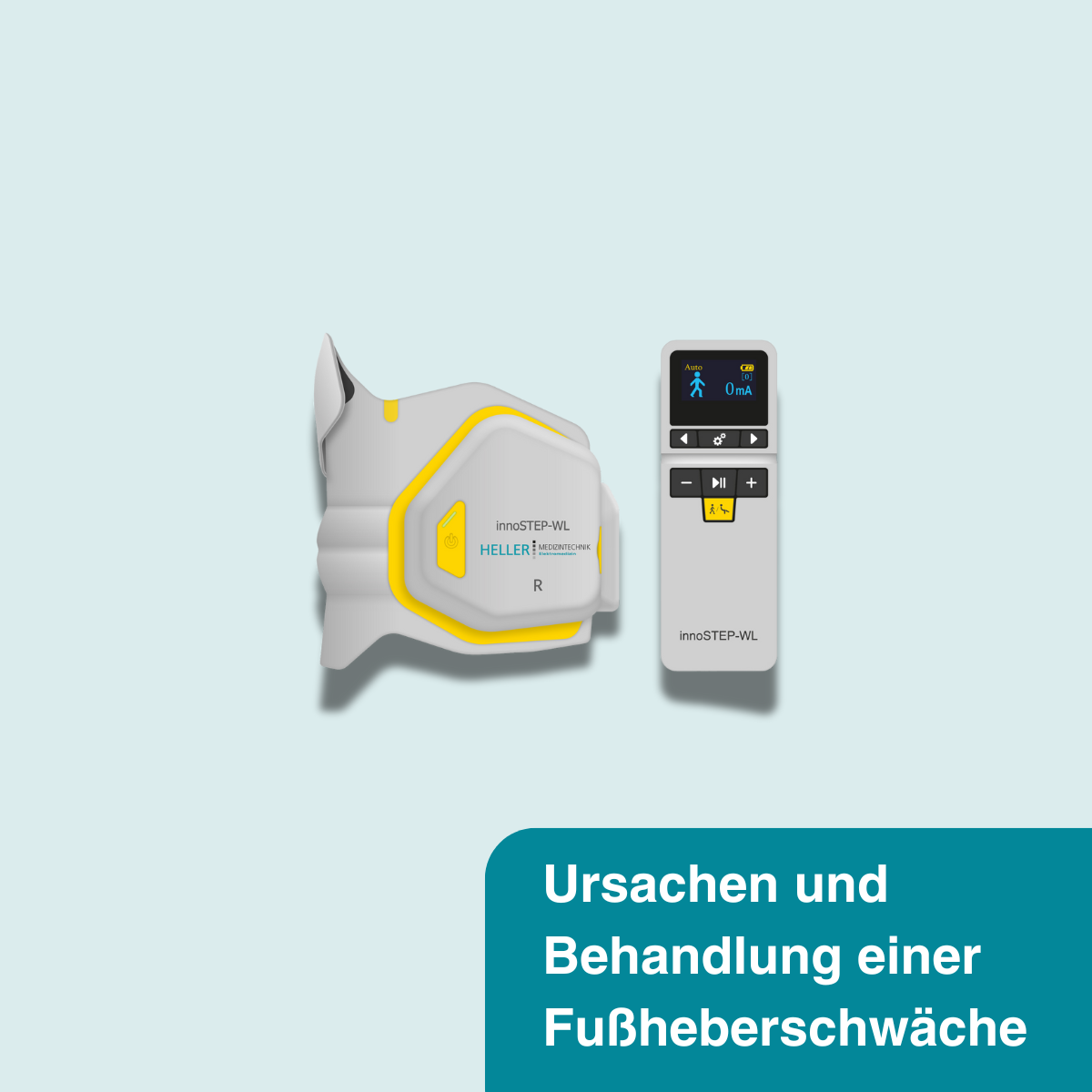
Functional electrical stimulation with innoSTEP-WL

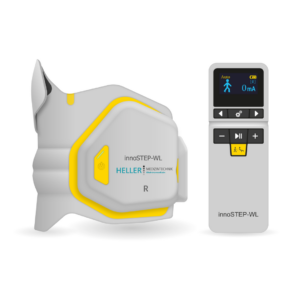
Functional electrical stimulation (FES) with the innoSTEP-WL is a modern and active therapy option.

The system works with an inconspicuous electrode cuff on the lower leg. During the swing phase, targeted electrical impulses are sent to the peroneal nerve. These impulses trigger a contraction of the foot lifting muscles so that the foot actively lifts (dorsiflexion).

Advantages of functional electrical stimulation (FES) with the innoSTEP-WL

  • Active support for lifting the foot when walking

  • More natural, dynamic gait pattern

  • Reduction of trip and fall risks

  • Prevention of muscle loss

  • Promotion of nerve-muscle interaction

In contrast to purely passive orthoses, the innoSTEP-WL actively trains muscles and neuronal control and can contribute to long-term functional improvement.

Die Ursachen einer Fußheberschwäche (Peroneusparese) werden auf einem Paper dargestellt.

Advice and medical prescription

If you are interested in the innoSTEP-WL or would like to know whether the system is suitable for you, we will be happy to advise you personally. We can also provide you with information on medical prescriptions and possible cost coverage by health insurance companies.

More on the topic of weak foot dorsiflexion:

https://www.heller-medizintechnik.de/portfolio/fussheberschwaeche/

Advice & contact:
https://www.heller-medizintechnik.de/kontakt/

More safety when walking starts with the right support – for a more active and self-determined life.

More news

Zwei Personen mit Fußheberschwäche gehen spazieren

More safety and stability when walking despite weak foot dorsiflexion

Walking is something that most people take for granted – but if you have weak foot dorsiflexion, every step can become a real challenge. Those affected have difficulty lifting the forefoot during the swing phase. The foot drags on the ground, the gait becomes unsteady and the risk of tripping or falling increases significantly.

Read more "
Ein Ehepaar läuft durch einen Wald, der mit Schnee bedeckt ist.

Relieving pain in the cold season – with exercise, everyday tips and modern TENS therapy

As the days get shorter, freezing temperatures set in and we spend more time indoors, many people start to feel pain again. Especially in winter, those affected complain more often about back, joint or muscle pain. The good news is that with the right combination of exercise, small everyday measures and modern medical technology, aches and pains can be alleviated even in the cold season.

Read more "
HELLER MEDIZINTECHNIK auf der MEDICA 2025

MEDICA 2025 – We were there!

MEDICA 2025 has once again shown where the future of medicine is heading: digitalization, AI and robotics are shaping the next steps in healthcare. With thousands of exhibitors and trade visitors from all over the world, the trade fair offered a unique look at the technologies of tomorrow – and we were right in the middle of it all.

Read more "
Cookie Consent with Real Cookie Banner