Relieving pain in the cold season – with exercise, everyday tips and modern TENS therapy

Ein Ehepaar läuft durch einen Wald, der mit Schnee bedeckt ist.
As the days get shorter, freezing temperatures set in and we spend more time indoors, many people start to feel pain again. Especially in winter, those affected complain more often about back, joint or muscle pain. The good news is that with the right combination of exercise, small everyday measures and modern medical technology, aches and pains can be alleviated even in the cold season.

Why cold can increase pain

Cold causes muscles to tense up and blood circulation to decrease. People with chronic pain, osteoarthritis, tension or back problems feel this particularly acutely. Less movement in everyday life – for example due to slippery paths or cozy hours on the sofa – further intensifies this effect.

This makes it all the more important to actively do something good for the body in winter too.

Exercise: gentle, regular and beneficial

Exercise remains one of the most important factors in preventing or alleviating pain – even (or especially) in winter. Even small units can help:

  • Walks in the fresh air stimulate blood circulation

  • Gentle stretching and mobilization exercises loosen tense muscles

  • Targeted strengthening supports joints and spine

If you want to get moving again after an injury or prolonged immobilization, you should start particularly carefully and rely on supportive measures.

Everyday tips for cold days

A lot can also be done in everyday life to reduce pain in winter:

  • Use heat in a targeted manner (e.g. heat pads or warm clothing)

  • Regular exercise breaks in the home office

  • Ergonomic sitting and sleeping positions

  • Relief of tense areas of the body through massage or gentle stimulation

Modern medical technology can be a valuable addition here.

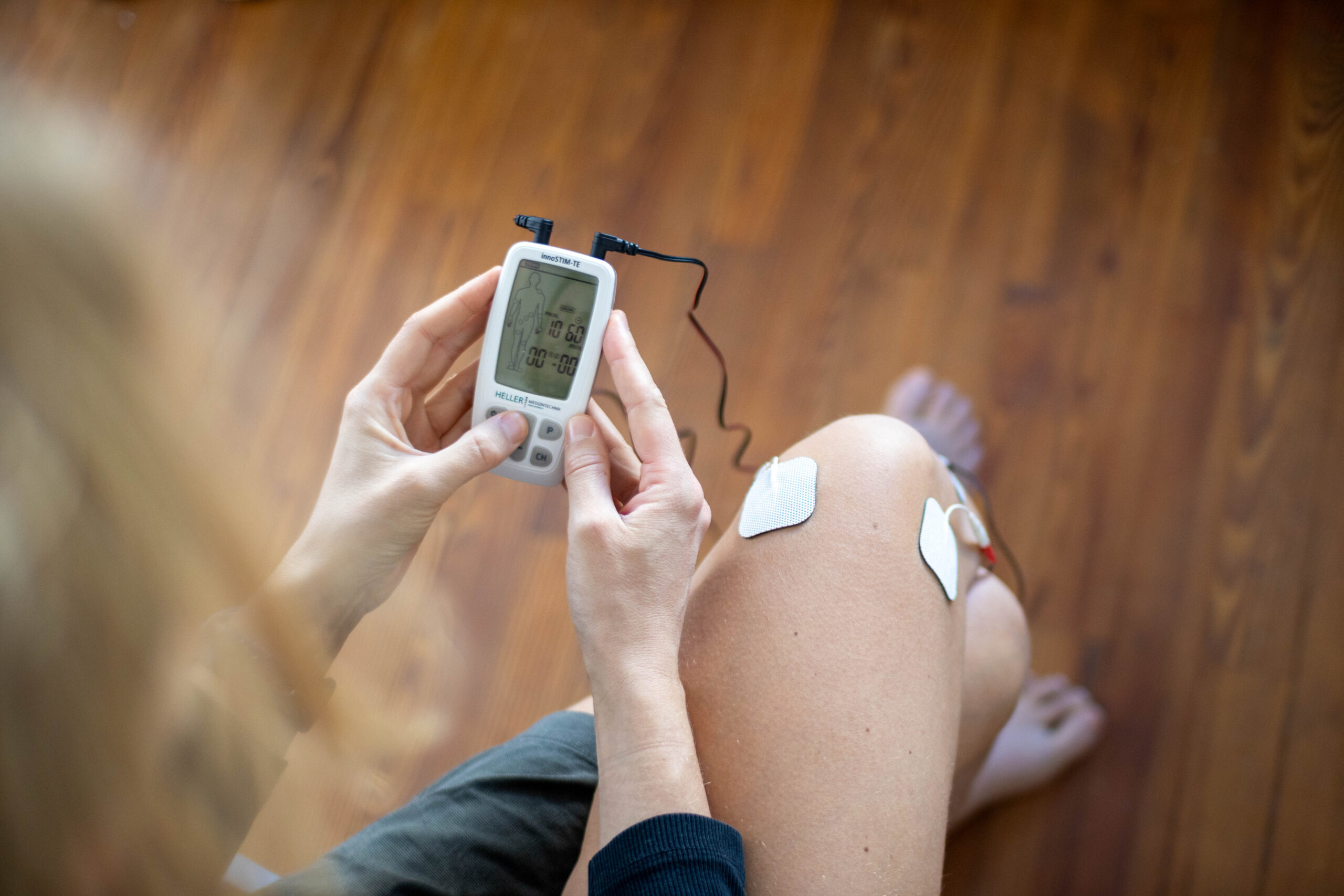
Das innoSTIM-TE: TENS-/EMS-Kombigerät mit Massage-Funktion von HELLER MEDIZINTECHNIK
Cold can intensify pain - the innoSTIM-TE uses TENS and EMS impulses to support targeted pain relief in the leg.

TENS and EMS therapy: support without medication

Transcutaneous electrical nerve stimulation (TENS) is a proven method for treating chronic and acute pain – without the need for additional medication. Gentle electrical impulses inhibit pain signals and promote blood circulation.

Electrical muscle stimulation (EMS), on the other hand, supports targeted muscle building, for example after operations or prolonged immobilization.

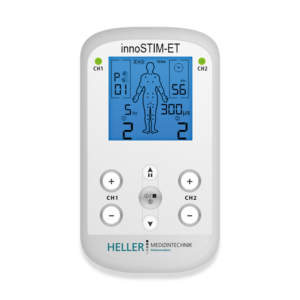
One example of this combined form of therapy is the innoSTIM-TE, a digital TENS/EMS combination device with additional massage programs.

The innoSTIM-TE – versatile support in winter

The innoSTIM-TE combines three functions in one device:

  • 10 TENS programs for pain treatment, including for the neck, back, joints, hips or legs

  • 9 EMS programs for targeted muscle building and re-mobilization

  • 3 massage programs (kneading, rubbing or tapping), which are perceived as a pleasant tingling sensation

Thanks to the large display with a clear indication of the optimal treatment regions, it is particularly easy and intuitive to use. The device can help to relieve pain, strengthen the muscles and make everyday life noticeably easier, especially in the cold season.

Proven and recognized

The innoSTIM-TE is listed in the GKV-Spitzenverband’s list of medical aids and can be used for various indications – including back pain, muscle tension, re-mobilization after injuries or promoting blood circulation.

Note: As with all medical devices, contraindications must be observed and the instructions for use must be read carefully.

Christmas campaign 2025: A small gift from us - the innoSTIM-TE at a special price

So that you can do something good for yourself or the people who are important to you during the cold season, we are offering you the innoSTIM-TE at a special promotional price during the Advent and Christmas season.
A small thank you for a good year of cooperation.

More news

Biofeedback Therapie

Biofeedback explained simply: how to better understand and control your body

Biofeedback makes invisible bodily processes visible – and this is precisely where its strength lies. Processes such as muscle tension, heartbeat and breathing normally take place unconsciously. With biofeedback, you learn to consciously perceive and actively influence these processes.
The goal: more control over your own body, fewer complaints and a significantly improved quality of life.

Read more "
Eine Frau mit Fußheberschwäche trägt die Manschette innoSTEP-WL als Hilfsmittel

Foot drop: help with innoSTEP-WL

Foot drop can have a significant impact on everyday life – especially in situations that are actually taken for granted. This includes climbing stairs: What is automatic for many people quickly becomes a challenge for those affected.

Read more "
Heller Medizintechnik wünscht Frohe Ostern

HELLER MEDIZINTECHNIK wishes you a Happy Easter!

The Easter holidays not only mark the start of a short break from everyday life, but also a time of new beginnings. Spring brings longer days, more light and new energy – ideal conditions for making a conscious effort to look after your health again.
Now is a particularly good time to integrate exercise into your daily routine, enjoy the fresh air and recharge your batteries. It is often small changes that make a big difference in the long term.
HELLER MEDIZINTECHNIK wishes you a relaxing Easter holiday, new motivation and a healthy start to the sunny season.

Read more "
Ein älterer Mann joggt in einem Wald

Active into spring: how electrotherapy can support muscles and joints

With the first warm days of spring, many people feel the urge to exercise. Walks, bike rides or gardening – after the quiet winter months, the body is more actively challenged again. However, especially when muscles and joints have been under less strain for a long time, tension, sore muscles or complaints in the musculoskeletal system can occur. This is where electrotherapy can provide useful support.

Read more "
Ein Mann geht an einem Rollator, weil er eine Fußheberschwäche hat.

Foot drop after stroke: What treatment options are there – and when is FES useful?

A stroke often changes life from one moment to the next. In addition to speech or memory problems, weakness in lifting the foot (medical term: peroneal nerve palsy) is one of the most common motor impairments. Those affected cannot lift the forefoot sufficiently – the gait becomes unsteady and the risk of falling increases significantly.
But what treatment options are there? And when is functional electrical stimulation (FES) a sensible solution?

Read more "
Cookie Consent with Real Cookie Banner